Pewbeam is building the AI layer for church services.
.png)
A pastor quotes a Bible verse during a Sunday service. The media volunteer starts searching for it. By the time the verse appears on the screen, the pastor has already moved on.
Dara Sobaloju had seen this happen many times before. Before founding Pewbeam, he was a Head of Church Media and had built a career in product and technology. He understood the workflow from the other side of the screen: volunteers were expected to follow a service in real time, find the right scripture or presentation content, and get it on screen without interrupting the flow of the service.
Often, the technology couldn't keep up.
That became the starting point for Pewbeam.
“The most important words spoken in a room shouldn’t be lost to the people they were spoken to.”
Dára Sobaloju
Founder/CEO, Pewbeam
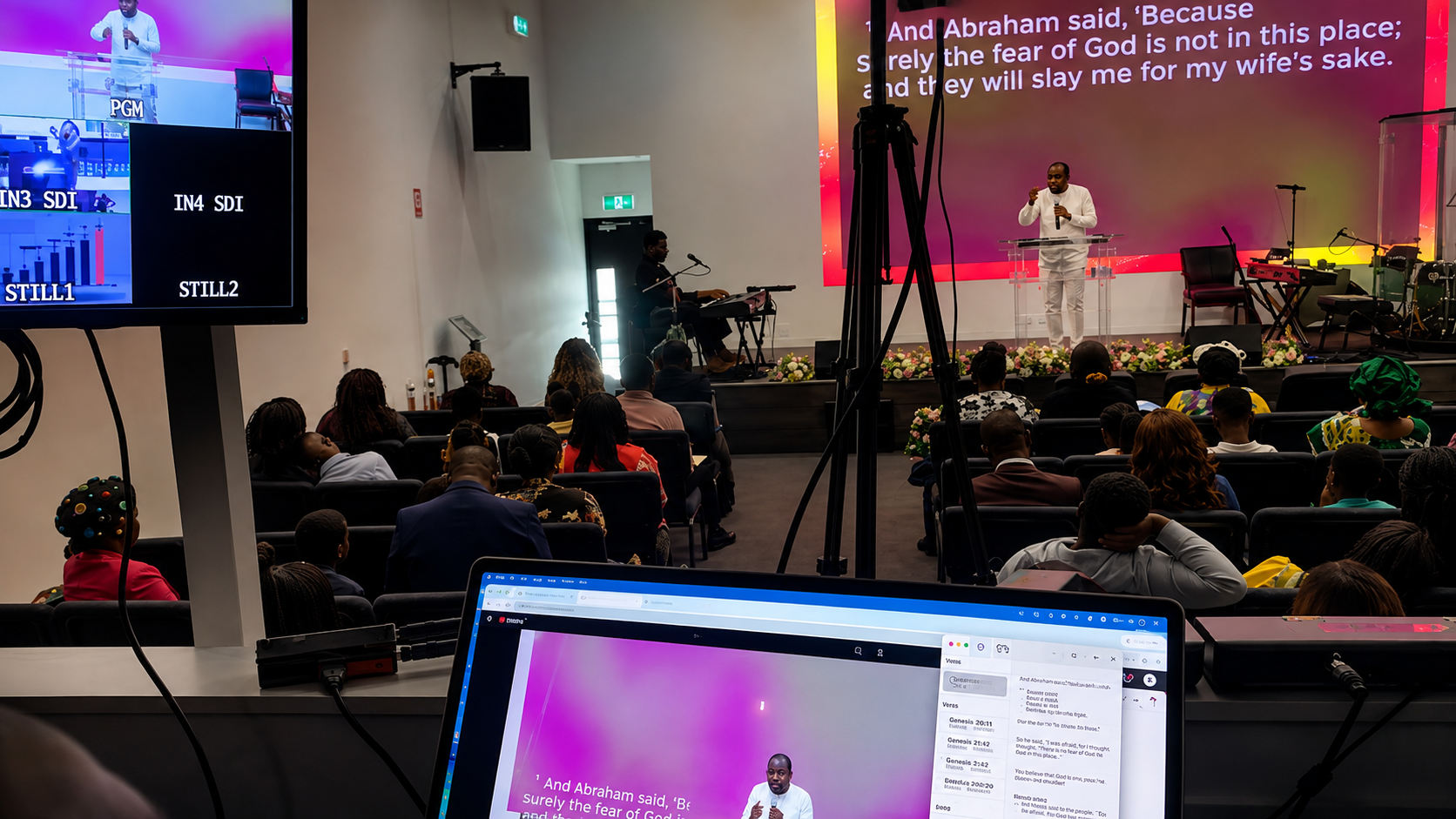
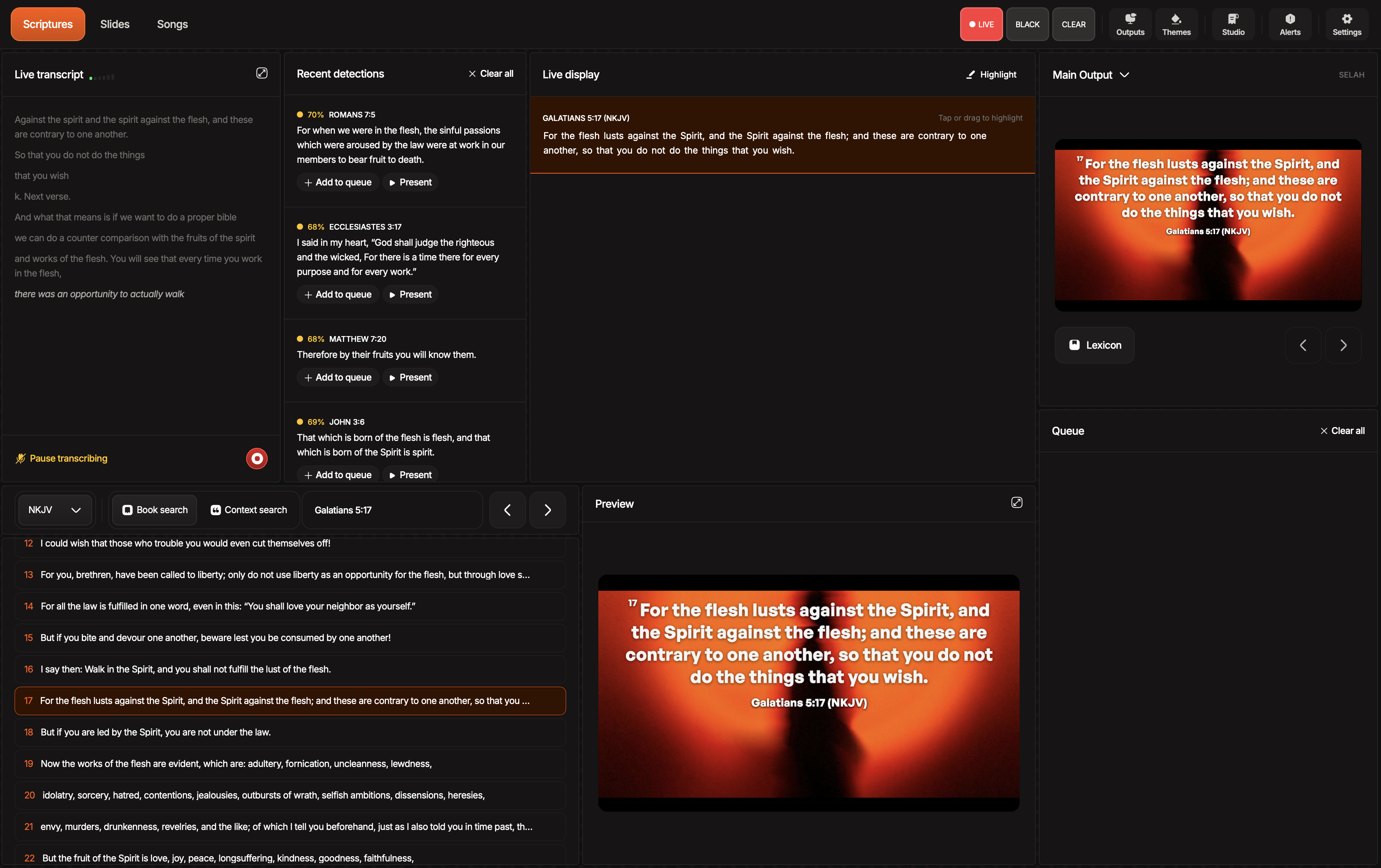
Pewbeam uses AI to listen to what is being said during a live church service and automatically surface the relevant scripture or slide when it is needed.
A few months into building Pewbeam, Dára and the team realized they were working on something broader.
“It’s a stage-to-audience problem.”
Dára Sobaloju
If software can understand what is happening on stage in real time, it can help the audience keep up with it.
For now, that technology is being applied to churches, where Pewbeam listens to speakers and puts the relevant scripture or presentation content on screen. AI-powered lyrics are next.
Pewbeam launched in March. By June, 6,217 churches across 28 countries had run Pewbeam live in their services on a single Sunday. Today, 509 churches across more than 20 countries are paying customers.
“Trust in a church service is probably the hardest thing to earn in our category.”
Dára Sobaloju
That reality has made reliability a central part of the product, alongside improving the detection models and making the software faster and more accurate.
Pewbeam has also grown without spending on marketing. The 509 paying churches have come largely through pastors and volunteers recommending it to other churches.
“The product has earned the right to be found.”
Dára Sobaloju
The next step is to help more people find it.
Pewbeam 2.0 shipped in July with slides, including AI-powered slide generation. AI-powered lyrics are next. Together, these features cover three of the main things churches need on screen during a service.
The product is also expanding beyond the church screen with Pewnote, a second product launching on iOS and Android.
Pewnote is designed for individual church members. It includes AI-generated sermon notes, Beam, which Dára describes as essentially “Shazam for the Bible,” and tools that help people continue engaging with a sermon after the service.
The two products serve different sides of the same experience: Pewbeam helps the people running the service; Pewnote helps the people attending it.
The investment will allow Pewbeam to move into its next phase, with plans to build its first dedicated marketing engine, expand the growth team, increase AI infrastructure and capacity, improve product reliability, continue making detection faster and more accurate, and bring Pewbeam to significantly more churches.
Dára describes the shift simply:
“We’ve spent the first phase proving that people want the product and will pay for it. Now we want to make sure the people who need it actually know it exists.”
Dára Sobaloju
The next chapter for Pewbeam is taking a product that has already proven its value in churches and putting it in front of many more people.
We are backing Dára and the team as they take Pewbeam into its next phase.